
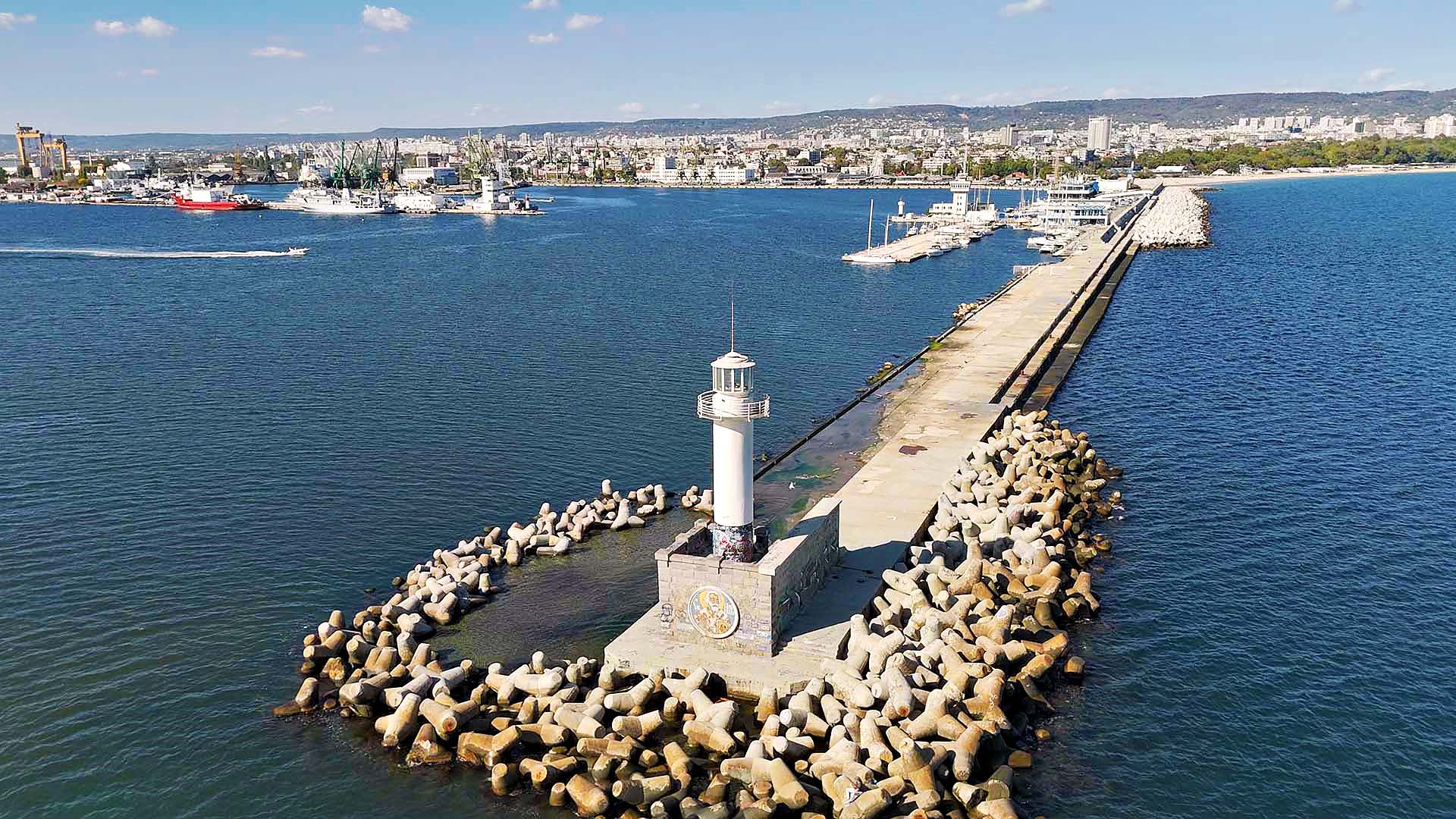
Varna once topped rankings of the best cities to live in Bulgaria. It was called the ideal place for young people and a comfortable lifestyle. But what has changed since then? Does Varna still hold the title of one of the country's most attractive cities, or is its former glory a thing of the past?
Let's look at the numbers. The city's male-to-female ratio is 471 to 531. The population fluctuates year by year: in 2019, Varna had 336,216 residents, in 2020 – 332,394, in 2021 – 332,686, and in 2023 – approximately 314,607. The downward trend is obvious, but what's behind these numbers?
85% residents are Bulgarians, and the remaining 15% represent various cultures, creating the city's unique multicultural character. This blend of tradition and modern influences makes Varna multifaceted and vibrant.
Photos of Varna
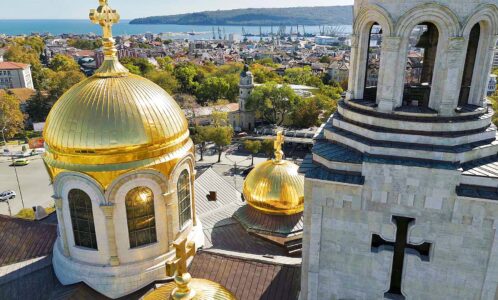
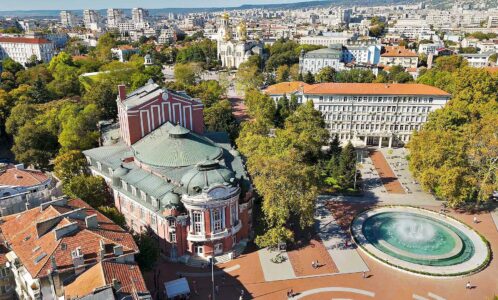
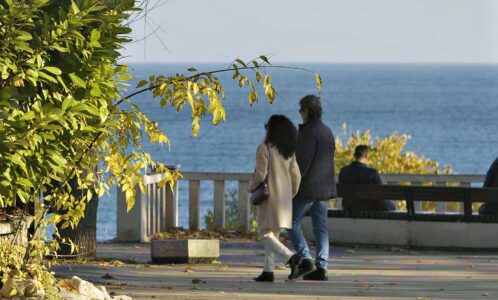
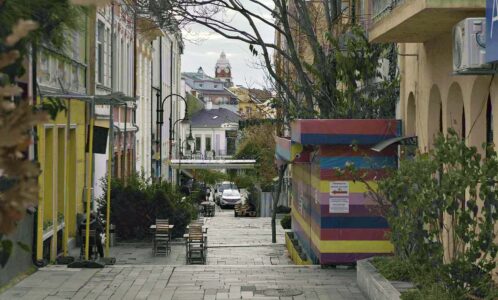
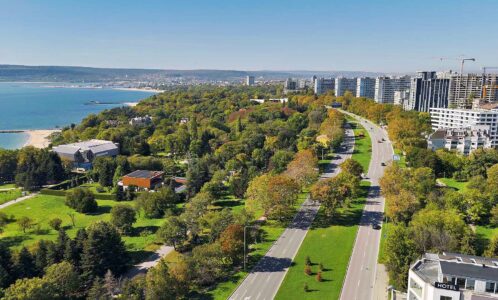
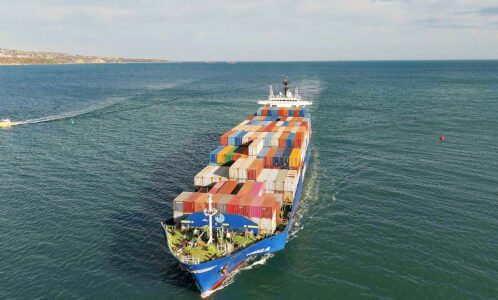
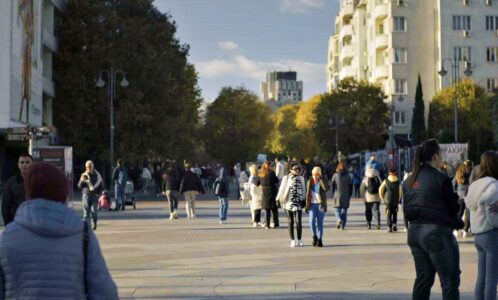


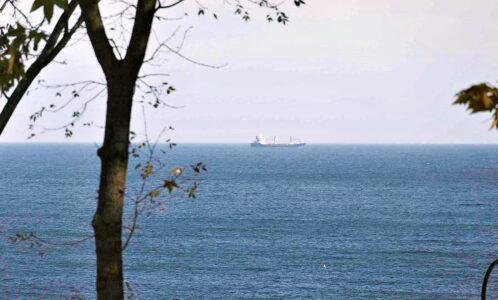
Living in Varna: Pros and Cons
But what's this city's secret? What makes some people fall in love with it and others leave? Let's explore what Varna has to offer for a comfortable life, stable work, and unforgettable leisure.
Location
Varna is Bulgaria's third-largest city, located on the Black Sea coast. Considered the country's "sea capital" due to its strategic location and economic and tourism importance, Varna is located in northeastern Bulgaria, just 470 km from the capital, Sofia, making it easily accessible for travelers and potential residents.
The city's seaside location makes it attractive for both vacation and living. Popular resorts such as Golden Sands and St. Constantine and Helena are located nearby, allowing residents to enjoy a beach holiday without leaving the region.
However, due to its location, Varna is subject to seasonal influxes of tourists, which can create certain inconveniences for permanent residents.
Climate
Varna has a temperate continental climate with a noticeable influence from the Black Sea. Summers are long and sunny, with temperatures reaching 30–35°C. Winters are mild but can be rainy, with average temperatures around 0°C. Thanks to the maritime influence, the city's climate is comfortable year-round.
Spring and autumn in Varna are particularly pleasant, with moderate temperatures and little rainfall. These seasons often attract those who prefer to escape the summer heat. However, it's worth noting that high humidity can be a problem for some people, especially in winter.
The city's environmental conditions vary depending on the season. In summer, air pollution levels are reduced by sea breezes, but in winter, due to the heating season and traffic congestion, air quality can deteriorate. Nevertheless, compared to major European cities, the air in Varna remains relatively clean.
Transportation
International communication
Varna has a well-developed transport infrastructure that provides connections to other Bulgarian cities and neighboring countries. The city has an international airport that serves regular and seasonal flights, making Varna a convenient destination for frequent travelers.
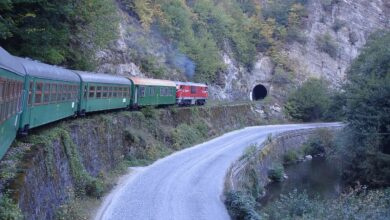
The airport offers free entry for the first 10 minutes, which is convenient for those meeting passengers. However, entry after that is subject to a fee, starting at €2. The city also has a train station, which serves the famous Orient Express, and a new bus station serves both domestic and international flights. Buy the cheapest bus tickets You can do it here.
Internal transport
Public transportation is provided by buses and trolleybuses. Modern stops are equipped with electronic displays, and traffic can be tracked using the VarnaTraffic app. Fares vary: a ticket purchased on the bus costs 75 eurocents per hour, while an hourly ticket available through the app costs 50 cents.
However, it's worth noting that the quality of roads in Varna leaves much to be desired. Only half the route to the capital is on a motorway, while the rest is a two-lane road. Getting to Burgas also requires driving on winding roads with sharp turns.
Problems with transport infrastructure
Road congestion and a lack of parking are among the city's main problems. These issues are particularly acute in the central districts. The authorities have no plans to expand parking, which is exacerbating the situation. As a result, driver aggression on the roads is on the rise, something previously unseen.
Housing
When it comes to relocating, choosing a place to live is a key factor. Varna offers a variety of options to suit every taste and budget.

Housing for rent:
- A one-room apartment in the city center costs an average of 332 euros per month, which is significantly higher than prices in Sofia (261 euros).
- Outside the city center, renting such apartments becomes more affordable – from 150 euros.
- A two-room apartment in the center costs about 475 euros, outside the center - from 200 euros.
- Three-room apartments in the city centre cost an average of 665 euros, while on the outskirts they start from 300 euros.
It's important to remember that rental prices in Varna have increased significantly since 2022. Furthermore, long-term contracts typically require a deposit, which may be retained in the event of early termination.
Buying real estate:
- Apartment prices start from 40,000 euros for small properties in less prestigious areas.
- Modern and spacious housing in the city centre or in prime areas may cost significantly more, but such investments are often worth it thanks to liquidity and high standards.
New housing is being built rapidly in Varna: 561 buildings were commissioned last year alone. New housing is being constructed using reinforced concrete and brick, ensuring comfort and durability. Panel construction, once popular, is no longer used here.
Varna hotels on the map:
City infrastructure
Varna is a city of contrasts, and its infrastructure is a clear confirmation of this.
Problems:
- Garbage on the streets, especially outside the center.
- The deteriorating condition of roads and sidewalks, many of which have not been repaired for years.
- There is a shortage of parking spaces, especially in the city center.
- Problems with public areas for pedestrians and cyclists.
Advantages:
- Electronic boards at bus stops and the ability to track transport through the VarnaTrafic app.
- Gradual development of bike paths and renovation of some areas.
- Good transport accessibility for tourists: convenient connections to resorts and neighboring cities.
Despite the challenges, Varna remains an attractive city thanks to its combination of historical charm and modern technology. Infrastructure development is one of the key priorities for the coming years.
Ecology
The environment is an aspect that can't be ignored when choosing a place to live. In Varna, it has both its advantages and obvious disadvantages.
Perhaps one of the key drawbacks is the city's overall lack of cleanliness. Many streets, especially outside the central districts, are often littered with trash. The waste disposal system requires improvement, which, unfortunately, creates additional inconvenience for local residents and tourists.
Air quality in Varna can be considered moderate: the average index is around 35. This indicator is relatively acceptable for health, but far from ideal. The main sources of pollution remain cars and industrial plants. To put the situation into context, it's enough to compare this index with the most polluted cities in the world: compared to them, Varna is in a much better position.
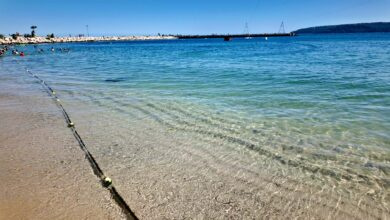
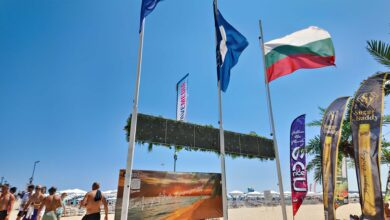
Despite their popularity, Varna's beaches have not been awarded the Blue Flag, which also highlights the need for a more careful approach to environmental issues. Nevertheless, the marine environment around the city remains a significant draw, and the opportunity to enjoy a beach holiday, even if far from ideal, remains a significant advantage.
The city is also actively developing green spaces. Primorsky Park, for example, remains a popular recreation spot for residents. It's the city's largest green space, stretching along the coastline, where you can stroll among the trees, breathe in the sea air, or exercise.
Culture and entertainment
Varna is a city with a rich cultural heritage and ample leisure opportunities. There's something for everyone, from historical sites to modern entertainment.
One of Varna's main cultural attractions is the Roman Baths—the remains of ancient baths that immerse you in the atmosphere of the ancient world. It is one of the largest archaeological sites of its kind in Bulgaria and a must-see.
Another unique place is the Varna Archaeological Museum, home to the world-famous Varna Golden Treasure—the oldest processed gold in the world. This museum attracts not only tourists but also researchers from around the world.
Varna is also famous for its festivals. Among them are the International Ballet Festival, the classical music festival "Varna Summer," and numerous events dedicated to contemporary art. Film lovers will enjoy the annual Love is Folly Film Festival.
In terms of modern leisure, the city boasts numerous bars, restaurants, and nightclubs located both downtown and along the coast. During the summer, beach parties become a key entertainment option for young people and visitors alike.
For family fun, Varna offers an oceanarium and dolphinarium, which will be of interest to both children and adults. This is a wonderful opportunity to learn more about marine life and enjoy vibrant dolphin shows.
The city's theaters and concert halls also offer a wide variety of events. The Varna Drama Theater and the Opera House are venues where you can enjoy high-quality productions.
Thus, Varna successfully combines historical depth, cultural diversity and modern entertainment, making it attractive to a wide range of residents and tourists.
Education
Varna is one of Bulgaria's largest educational centers, offering a wide range of educational opportunities. The city is home to several prestigious educational institutions, including the Varna University of Economics, the Technical University, and the Medical University. These institutions attract students not only from Bulgaria but also from abroad due to their high level of education and programs taught in English.
Varna offers a wide range of kindergartens and schools for families with children, including public and private institutions. Some private schools offer international-standard education, which is especially important for foreign families living in the city. Public schools are free, but private schools charge fees, which vary depending on the level and specialization.
The Varna Maritime Academy, which trains specialists for the maritime industry, deserves special attention. It is one of the oldest and most respected educational institutions in Bulgaria in its field.
Social life and community
Varna is renowned for its diverse community and vibrant social scene. People of various nationalities live here, creating a unique atmosphere. Expats often organize meetups, fairs, and cultural events where you can make new friends and find like-minded people.
One of the city's social hubs is the Sea Garden, where concerts, festivals, and other events are held. The city also boasts numerous cafes, restaurants, and bars where you can have a good time and make new friends.
Varna is a city where everyone can find something to suit their taste, whether it's active participation in the local community or a quiet retreat in nature.
Emergency services and security
Safety is an important factor when choosing a place to live. Varna has a relatively low crime rate, although, like any city, pickpocketing and petty crime do occur, especially in tourist areas.
Emergency services in the city operate reliably. The numbers for calling the police, ambulance, and fire department are standard in Bulgaria: 112 is the single emergency number. CCTV cameras are present in the city center and in popular areas, helping to enhance security.
Varna's medical facilities are well-equipped. Emergency care is available in both public hospitals and private clinics. Private clinics offer faster and more comfortable care, but at an additional cost.
Economy and labor market
Varna is not only a cultural and historical center but also one of Bulgaria's key economic hubs. The city offers numerous employment opportunities, particularly in tourism, trade, the maritime industry, and IT.
As of the end of 2024, the Varna labor market had over 2,100 vacancies, according to major job search websites such as Jobs.bg. Although this figure is lower than Sofia (where there are over 11,000 vacancies), Varna significantly outperforms other cities in the country, such as Burgas, with over 900 vacancies. The sectors with the highest demand in Varna include the hotel industry, food service, construction, engineering, and office work.
The average salary in the city is approximately 2,141 leva before taxes. This is lower than in Sofia, where the average salary is 3,128 leva, but higher than in Burgas, where the average salary is 1,850 leva. However, Varna compensates for this gap with a more relaxed pace of life and the opportunity to combine work with a seaside vacation.
The unemployment rate in Varna is 2.21%, demonstrating the stability of the local labor market. By comparison, in Sofia this rate is 1.61%, and in Burgas it is 2.51%. This makes Varna an attractive destination for both professionals and those starting their careers.
The main drawback of Varna's economic situation is the high cost of living, especially with rising rent and utility prices. This makes the city less accessible for young professionals and low-income families.
City infrastructure
Varna is a city with a developed but uneven infrastructure. The city center and tourist areas are well maintained, but more remote areas face serious problems.
Transport infrastructure: The city's road network is overloaded, and due to insufficient road capacity, congestion frequently occurs. This creates tension among drivers, leading to increased road rage. The condition of the road surface also leaves much to be desired—potholes and uneven surfaces are common not only on secondary roads but also on major highways. Issues with sidewalks and bike lanes are also a hot topic.
Public utilities: The city's water supply is stable, but the quality of tap water is questionable—it's hard and requires additional filtration. Electricity and internet service in Varna, on the other hand, are highly rated—outages are extremely rare, and the internet speed allows for handling even large amounts of data.
Housing infrastructure: Thanks to active construction, Varna opens hundreds of new buildings annually. However, high rental and purchase prices make housing unaffordable for many. Panel buildings are virtually never built, improving the overall comfort level in the city.
Recreation areas and parks: Varna's Seaside Park is one of the largest and most well-maintained green spaces in the city. It features playgrounds, cafes, and even a small zoo. However, beyond the park's boundaries, the overall condition of the green areas leaves much to be desired, and litter issues often mar the experience.
Culture and entertainment
Varna deservedly holds the title of Bulgaria's cultural capital. The city hosts dozens of festivals, exhibitions, and theatrical productions annually. Key events include the Varna Summer International Music Festival, the Love Cinema Film Festival, and the Animation Festival.
Theaters and museums: Varna is home to several theaters, including the Stoyan Bachvarov Drama Theater and the Varna Opera House. The city's museums are a true treasure trove for history and art lovers. Notable among them are the Archaeological Museum, with one of the oldest collections in Europe, and the Naval Museum.
Nightlife: For those seeking active recreation and nightlife, Varna offers numerous bars, clubs, and restaurants. The waterfront establishments are particularly popular among both locals and tourists.
The main drawback of the city's cultural life is its seasonality. Many events and establishments operate only during the warmer months, leaving the autumn and winter months less eventful.
10 advantages of Varna
- Warm climate and mild winters, ideal for year-round living.
- A unique combination of sea air and green areas, which has a beneficial effect on health.
-
A well-developed network of educational institutions, including international schools and universities.
- Fast internet and affordable IT services.
- Opportunity to combine work and leisure: many jobs in the tourism and IT sectors.
- Convenient location with access to the airport, seaport and railway lines.
-
- A variety of restaurants serving local and international cuisine.
- Friendly atmosphere and opportunity to integrate into the local community.
- Opportunity for a beach holiday thanks to the Primorsky Park and beach areas.
- An active cultural life: festivals, theatres, museums, including the Archaeological Museum.
10 cons of Varna
- Problems with garbage and general cleanliness on the streets.
- Poor condition of road infrastructure, including sidewalks and bike paths.
- Lack of parking spaces and frequent traffic jams.
- High prices for renting and buying real estate.
- Hard tap water requiring additional filtration.
- Seasonality of many establishments and events.
- Lack of Blue Flag beaches.
- Increased road rage due to infrastructure congestion.
- Lack of green spaces and public parks outside Primorsky Park.
- High utility costs combined with rising costs of living.
Results
Varna is a city of contrasts. It attracts with its economic opportunities, rich cultural life, and the opportunity to enjoy a seaside vacation. However, its drawbacks, such as poor transportation infrastructure, high cost of living, and the seasonality of cultural events, make one wonder how comfortable life will be in this city.
Nevertheless, Varna remains one of the most desirable places to move to Bulgaria. If you're willing to accept its shortcomings, the city offers a unique lifestyle combining modern amenities and a maritime climate.
Today's Weather in Varna
Video version of the article:






 Русский
  English
  Български
  Deutsch
  Română
  Українська
  Polski